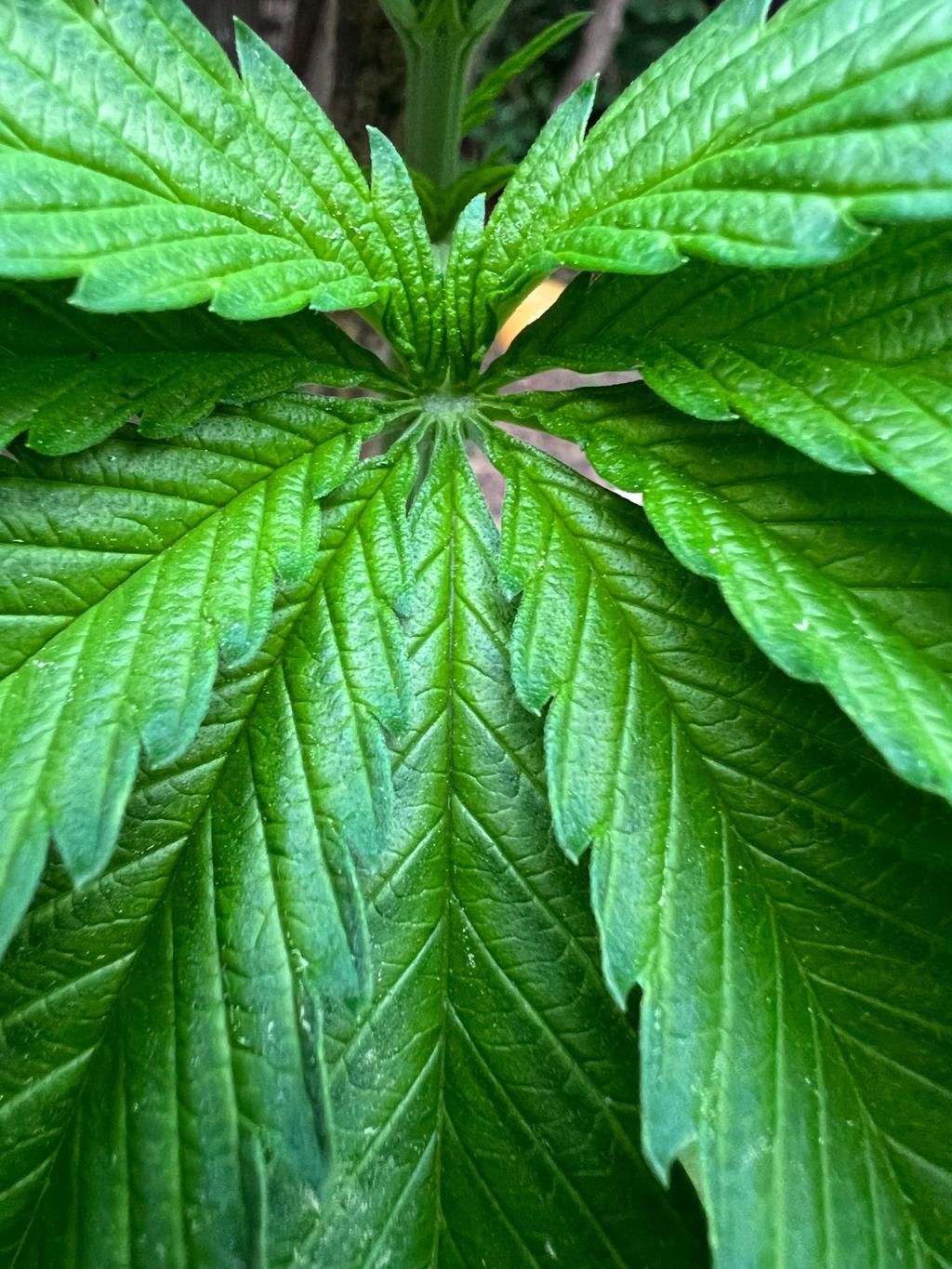


Introduction: Why Cannabis Is Such an Important Topic 🌍
Cannabis is one of the most discussed plants in the modern world. For centuries, it has been connected with traditional practices, medicine, agriculture, culture, and recreation. Today, the conversation surrounding cannabis has become even more complex because scientific research, changing laws, public health concerns, and commercial interests are all shaping the way society understands this remarkable plant.
Some people view cannabis primarily as a potential source of medicine. Others associate it with recreational use and its possible effects on the mind and body. At the same time, researchers continue to study the chemical compounds found in cannabis and investigate whether some of these compounds could contribute to the development of new treatments. Governments around the world are also taking different approaches, with laws ranging from strict prohibition to regulated medical or adult-use systems.
Because cannabis is such a broad subject, it is important to approach it with balance and reliable information. 🌱 Extreme opinions can sometimes create confusion. Claims that cannabis is completely harmless can be misleading, but claims that ignore its potential medical applications may also overlook important scientific developments.
This article explores cannabis from multiple perspectives. It discusses its history, major compounds, potential uses, health effects, risks, legal considerations, social impact, and possible future. The goal is not to promote cannabis use but to provide a balanced overview of a topic that continues to evolve around the world.
🌿 What Exactly Is Cannabis?
Cannabis refers to a group of plants that contain naturally occurring chemical compounds known as cannabinoids. These compounds interact with different systems in the human body and have attracted significant scientific interest.
The two most widely discussed cannabinoids are:
🔹 THC (Tetrahydrocannabinol)
THC is the primary intoxicating compound associated with the “high” experienced from many cannabis products. It can influence mood, perception, coordination, memory, and reaction time. The effects of THC may vary depending on the amount consumed, the strength of the product, and individual factors.
🔹 CBD (Cannabidiol)
CBD is another well-known compound found in cannabis. Unlike THC, CBD does not typically produce the same intoxicating effects. It has become an important area of research, although many health claims surrounding commercially available CBD products remain stronger than the scientific evidence supporting them.
Cannabis contains many additional compounds, including other cannabinoids and aromatic compounds called terpenes. Scientists are still studying how these substances interact with one another and with the human body.
It is also important to understand that cannabis products are not all the same. Their composition can vary greatly. A product containing a high concentration of THC may have significantly different effects from a product containing mostly CBD or other cannabinoids.
📜 A Brief History of Cannabis
The history of cannabis stretches back thousands of years. Different societies have used the plant for different purposes, including textiles, traditional practices, and medicine.
Historically, parts of the cannabis plant have been used to produce fibers. These fibers, often associated with hemp varieties, can be used in materials such as rope, textiles, and paper. This demonstrates that cannabis has not always been viewed solely through the lens of recreational or medical use.
In some traditional medical systems, preparations derived from cannabis were also used for various purposes. However, historical use should not automatically be considered proof of medical effectiveness. Modern medicine relies on carefully designed research to determine whether a treatment is safe, effective, and appropriate for a particular condition.
During the twentieth century, many countries introduced strict laws controlling cannabis. In recent decades, however, some governments have reconsidered their policies. Certain jurisdictions now allow regulated medical use, while others have introduced legal frameworks for adult recreational use.
These changes have created a global debate involving doctors, researchers, lawmakers, businesses, families, and public health organizations. 🌍
🧠 How Cannabis Interacts With the Human Body
The human body contains a complex biological system known as the endocannabinoid system. This system is involved in various functions, including signaling processes related to mood, appetite, sleep, memory, and pain.
Researchers have found that cannabinoids from cannabis can interact with receptors and other components associated with this system. However, the relationship between cannabis compounds and the human body is highly complex.
The effects of cannabis can depend on several factors, including:
- 🌿 The amount and type of cannabinoids present
- 🧪 The concentration or potency of the product
- 🧍 Individual age and physical characteristics
- 🧠 Personal and family mental health history
- ⏱️ Frequency of use
- 💊 Whether other medications or substances are involved
- ⚖️ The method through which a substance enters the body
For this reason, one person’s experience may be very different from another person’s experience. A product that produces mild effects in one individual may have stronger or unexpected effects in another.
Scientific research is continuing to improve our understanding of these differences.
💊 Potential Medical Applications of Cannabis
One of the most important areas of cannabis research concerns its potential medical applications. Certain cannabis-derived compounds have been investigated for specific health conditions.
Researchers have studied cannabinoids in connection with areas such as chronic pain, nausea associated with certain medical treatments, neurological disorders, and other medical conditions.
In some countries, carefully regulated cannabis-derived medicines have been approved for particular uses. These products are different from unregulated products sold with broad health claims.
This distinction is extremely important. 🩺
A regulated medicine typically undergoes scientific evaluation regarding its ingredients, dosage, safety, and intended medical use. In contrast, a product marketed online or through an informal source may not have the same quality control.
People should also avoid assuming that cannabis can replace professional medical care. Anyone considering a cannabis-derived treatment for a health condition should discuss the issue with a qualified healthcare professional.
🧬 Why More Research Is Needed
Cannabis research has expanded significantly, but many questions remain unanswered. Scientists continue to investigate:
- Which cannabinoids may have therapeutic value
- What doses may be appropriate for specific conditions
- How different compounds interact
- Possible long-term effects
- Interactions with other medications
- Which individuals may face greater risks
Scientific evidence develops over time. A promising early study does not necessarily mean that a treatment has been proven effective for everyone.
Responsible discussion about medical cannabis should therefore be based on evidence rather than exaggerated promises. 🔬
⚠️ Understanding the Possible Risks of Cannabis
Although cannabis may have potential medical applications, it can also create health and safety risks.
Products containing THC can temporarily affect attention, memory, judgment, coordination, and reaction time. These effects can increase the danger associated with activities such as driving or operating machinery. 🚗⚠️
Cannabis can also affect people differently depending on their individual circumstances. Some people may experience unpleasant effects, including anxiety or confusion. For others, frequent or heavy use may become difficult to control.
🧠 Mental Health Considerations
Mental health is an important part of the cannabis discussion. Some individuals may be more vulnerable to adverse psychological effects than others.
Factors that may influence risk include:
- A personal history of certain mental health problems
- A family history of serious psychiatric conditions
- Frequent use
- Exposure to highly potent products
- Beginning use at a young age
Cannabis should therefore not be considered risk-free simply because it comes from a plant. “Natural” does not automatically mean harmless. 🍃
👶 Why Cannabis Use Among Young People Is a Major Concern
Young people deserve special consideration in discussions about cannabis. The brain continues to develop during adolescence and early adulthood. Because of this, regular exposure to substances that affect brain function may have different consequences for younger individuals.
Cannabis containing THC may affect concentration, memory, learning, and decision-making. These concerns become especially important when use is frequent or begins at a young age.
Parents, teachers, and communities can play an important role by providing accurate information rather than relying only on fear-based messaging. Young people are more likely to benefit from education that clearly explains both the risks and the realities surrounding cannabis.
Open communication is often more useful than misinformation. 📚
🚗 Cannabis and Road Safety
One of the clearest safety concerns associated with intoxicating cannabis products is impaired driving.
THC can affect reaction time, attention, coordination, and decision-making. These effects can make driving dangerous. A person may believe they are capable of driving safely while their ability to respond quickly to unexpected situations is reduced.
Combining cannabis with alcohol or other substances may increase impairment further.
The safest decision is simple: if a person is experiencing intoxicating effects, they should not drive or operate dangerous machinery. 🚫🚗
Public awareness is important because cannabis-related impairment may be less immediately obvious than other forms of intoxication. Nevertheless, impaired coordination and judgment can create serious risks.
🌱 Cannabis, Hemp, and Industrial Uses
Not every cannabis-related product is intended for intoxication or medical treatment.
Certain varieties of cannabis are cultivated for industrial purposes. Hemp has historically been valued for its strong fibers and can be used in various products.
Possible industrial applications include:
- 🧵 Textiles
- 🪢 Rope and cordage
- 📦 Packaging materials
- 🏗️ Construction-related materials
- 📄 Paper products
- 🌱 Agricultural and sustainable-material research
The growing interest in environmentally sustainable materials has created renewed attention around hemp and other plant-based resources.
However, regulations surrounding hemp vary by country. The legal definition may depend on the concentration of particular compounds, especially THC. Businesses and consumers should therefore understand the laws that apply in their location.
⚖️ Cannabis Laws Around the World
Cannabis laws differ dramatically across countries and regions.
In some locations, cannabis remains completely prohibited. In others, limited medical use may be allowed under strict conditions. Some jurisdictions have also created regulated systems for adult recreational use.
Legalization or decriminalization does not mean that cannabis is without risks. Similarly, prohibition does not eliminate the need for public education and medical research.
Lawmakers must balance several issues, including:
- 🩺 Public health
- 🚓 Law enforcement
- 🧪 Medical research
- 👶 Protection of young people
- 🚗 Road safety
- 💰 Taxation and economic regulation
- 🌍 International drug-control agreements
Because laws change over time, people should always check the current regulations in their own country or region. Relying on outdated information can lead to serious legal consequences.
💰 The Growing Cannabis Industry
As cannabis laws have changed in some parts of the world, a large commercial industry has developed.
This industry includes businesses involved in:
- Cultivation
- Scientific research
- Medical products
- Testing and quality control
- Agricultural technology
- Industrial hemp
- Retail and regulated distribution
The growth of the industry has also created economic opportunities. At the same time, commercialization has introduced new concerns.
For example, public health experts may question how aggressively cannabis products should be marketed. There are also concerns about advertising that may appeal to young people or make exaggerated health claims.
A responsible industry requires strong standards for:
- Product testing 🧪
- Accurate labeling 🏷️
- Age restrictions 🔞
- Consumer education 📚
- Quality control ✔️
- Responsible marketing 📢
Economic growth should not come at the expense of public safety.
🧪 The Importance of Product Quality and Regulation
One challenge surrounding cannabis is product consistency.
Different products may contain different concentrations of cannabinoids. In unregulated markets, consumers may not always know exactly what they are receiving.
Quality-control systems can help verify factors such as:
- Cannabinoid concentration
- Contamination
- Product purity
- Label accuracy
- Manufacturing standards
This is particularly important when products are used for medical purposes.
Reliable testing and transparent information can help consumers and healthcare professionals make more informed decisions.
However, regulation alone does not make a product appropriate for every person. Individual health risks must still be considered. 🩺
📱 Cannabis and Misinformation Online
The internet has made information about cannabis more accessible than ever before. Unfortunately, it has also made misinformation easier to spread.
Some websites and social media posts may describe cannabis as a miracle cure for a wide range of diseases without sufficient scientific evidence. Others may present misleading or exaggerated claims about its safety.
A responsible reader should ask:
- Who is making this claim?
- Is the information supported by credible research?
- Does the source distinguish between medical evidence and personal experience?
- Is the product being marketed for financial gain?
- Are risks and limitations clearly discussed?
Personal stories can be powerful, but individual experiences do not always prove that a treatment works for everyone.
Critical thinking is especially important when health information is involved. 🔍
🌍 The Social Debate Around Cannabis
The debate surrounding cannabis is not only scientific or medical. It is also social and political.
Different people may approach the topic from very different perspectives.
Healthcare professionals may focus on patient safety. Researchers may focus on unanswered scientific questions. Families may worry about young people and substance use. Businesses may focus on economic opportunities. Lawmakers may consider public safety and legal systems.
These perspectives can sometimes conflict.
A productive discussion should recognize that cannabis is a complicated issue. It is possible to acknowledge potential medical applications while also recognizing genuine risks. It is possible to support scientific research while remaining cautious about commercial claims.
Balanced discussions are generally more useful than extreme positions. 🤝
🩺 Medical Cannabis Versus Recreational Cannabis
It is important to distinguish between medical and recreational contexts.
Medical Cannabis 🧑⚕️
Medical cannabis generally refers to the use of cannabis-derived products for specific health purposes under an appropriate legal and medical framework.
Depending on the jurisdiction, this may involve:
- Medical evaluation
- Professional supervision
- Regulated products
- Controlled dosages
- Specific qualifying conditions
Recreational Cannabis 🎭
Recreational use generally refers to the use of cannabis for its intoxicating or personal effects rather than for a medically prescribed purpose.
The two categories may involve some of the same chemical compounds, but their context, regulation, purpose, and supervision can be very different.
Confusing recreational products with medically approved treatments can lead to misinformation.
🧠 Can Cannabis Cause Dependence?
Yes, some people can develop problematic patterns of cannabis use or dependence.
Not everyone who uses cannabis develops dependence, but repeated use can become difficult for some individuals to control. A person may continue using cannabis despite negative consequences in their personal, academic, professional, or social life.
Warning signs of problematic use may include:
- Difficulty reducing use
- Spending excessive time thinking about or using cannabis
- Continuing despite negative consequences
- Neglecting responsibilities
- Feeling uncomfortable when attempting to stop
Anyone concerned about their own substance use or that of someone close to them should consider seeking support from a qualified healthcare or addiction professional. 🤝
Seeking help is a sign of responsibility and strength.
🌿 Cannabis and the Environment
Cannabis cultivation can also have environmental consequences.
Like any agricultural activity, cultivation requires resources. Depending on how and where it is grown, cannabis production may involve water use, electricity consumption, fertilizers, land use, and transportation.
Indoor cultivation, for example, may require significant energy for lighting and climate control.
At the same time, research into sustainable cultivation methods and industrial hemp may create opportunities for more environmentally conscious practices.
Environmental responsibility should therefore be part of the broader conversation about the cannabis industry. 🌎💚
🔮 The Future of Cannabis Research
The future of cannabis research could bring important discoveries.
Scientists are continuing to investigate:
- Individual cannabinoids
- Cannabis-derived medicines
- The human endocannabinoid system
- Safer methods of treatment
- Potential drug interactions
- Long-term health effects
- Differences between various cannabis compounds
Future research may help identify specific situations in which particular compounds could be useful while also clarifying who may face greater risks.
Better science can also help separate fact from marketing.
The goal should not be to assume that cannabis is either a miracle plant or an entirely useless substance. Instead, researchers should investigate its properties carefully and follow the evidence wherever it leads. 🔬✨
📚 The Importance of Responsible Education
Education is one of the most powerful tools for addressing cannabis-related issues.
Good education should be:
- Accurate ✔️
- Age-appropriate 👨🎓
- Evidence-based 🔬
- Honest about risks ⚠️
- Free from unnecessary exaggeration 📖
People deserve clear information about how cannabis can affect the body and mind. They should also understand that different products, strengths, and methods can produce different outcomes.
Responsible education can help individuals make informed choices and may reduce the harm caused by misinformation.
💡 Key Facts to Remember About Cannabis
Cannabis is a complex subject, but several key points are worth remembering:
🌿 Cannabis contains many chemical compounds. THC and CBD are among the best known, but they are not the only cannabinoids being studied.
🧪 Scientific research is still developing. Some cannabis-derived compounds have recognized medical applications, while many other claims require stronger evidence.
⚠️ Cannabis can involve risks. Products containing THC can impair coordination, memory, attention, and reaction time.
👶 Young people may be particularly vulnerable. Brain development and frequent use are important concerns.
🚗 Impaired driving is dangerous. People experiencing intoxicating effects should never drive.
⚖️ Laws vary widely. Legal status depends on the country or region and can change over time.
📚 Reliable information matters. Health decisions should be based on scientific evidence and professional guidance rather than social-media claims.
🩺 Medical advice is important. People considering cannabis for a health condition should speak with an appropriate healthcare professional.
Conclusion: A Balanced Perspective on Cannabis 🌿
Cannabis is one of the most complex and rapidly evolving topics in modern health, science, law, and society. Its long history demonstrates that the plant has been used in many different ways, from industrial materials to traditional practices. Modern research has also revealed that cannabis contains a variety of compounds with significant biological effects.
Some cannabis-derived medicines have demonstrated potential benefits in specific medical contexts, and scientific research continues to explore new possibilities. At the same time, cannabis can present real risks, particularly when products contain high levels of THC, when use begins at a young age, or when an individual has specific health vulnerabilities.
The future of cannabis should be guided by evidence, responsibility, and public health. 🌍 Scientific research can help identify legitimate medical uses while improving our understanding of potential harms. Clear regulations can support product quality and consumer safety. Education can help people recognize misinformation and make more informed decisions.
Ultimately, cannabis should not be viewed through simplistic extremes. It is neither automatically a miracle solution nor a topic that can be understood through fear alone. Like many complex substances and technologies, its effects depend on context, regulation, scientific evidence, and individual circumstances.
As research and laws continue to evolve, staying informed will remain essential. 🌱📚 A balanced understanding of cannabis can encourage better conversations, more responsible decisions, and a stronger foundation for future scientific discovery.
