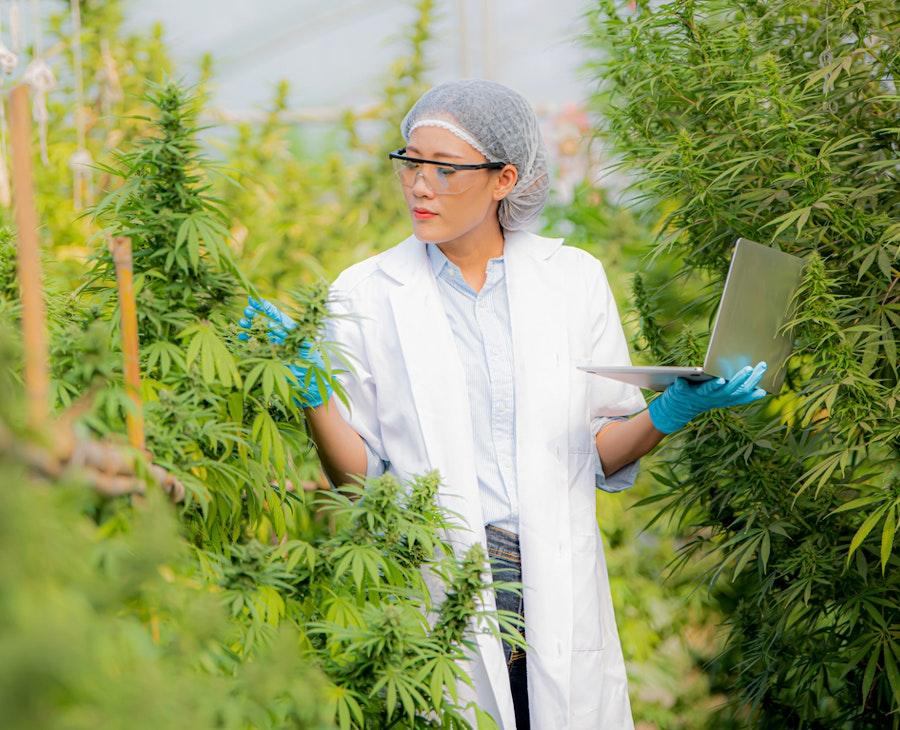
Cannabis has become one of the most discussed plants in modern health, wellness, medicine, and scientific research. For centuries, different cultures have used cannabis for a variety of traditional purposes, while contemporary researchers continue to investigate its chemical compounds and possible effects on the human body. Today, conversations about cannabis health increasingly focus on evidence, responsible decision-making, potential therapeutic applications, and the importance of understanding risks.
The modern cannabis conversation is far more complicated than simply describing the plant as beneficial or harmful. Cannabis contains numerous naturally occurring compounds, including cannabinoids and aromatic substances known as terpenes. The best-known cannabinoids are tetrahydrocannabinol (THC) and cannabidiol (CBD), although researchers have identified many others. These compounds can interact with biological systems in different ways, meaning that their effects can vary considerably between individuals.
Understanding cannabis health requires looking beyond popular claims. A responsible approach considers scientific evidence, individual circumstances, product characteristics, dosage, method of consumption, possible side effects, and legal regulations. 🧪🌱
This article explores important aspects of cannabis health and explains why informed decision-making matters when discussing cannabis and wellness.
1. What Does Cannabis Health Mean? 🌿
The term cannabis health can refer to the relationship between cannabis, its compounds, human health, medical research, and personal wellness. It encompasses both potential benefits and possible risks rather than presenting cannabis as automatically healthy or unhealthy.
Cannabis plants contain a complex mixture of compounds. THC is particularly well known because it can produce intoxicating effects. CBD generally does not produce the same type of intoxication associated with THC, although that does not mean CBD is completely free from biological effects or potential risks.
Scientists are studying how cannabinoids interact with the body’s endocannabinoid system. This biological system is involved in several physiological processes, including aspects of mood, appetite, sleep, pain perception, and immune activity. Research into these interactions has contributed to growing scientific interest in cannabinoids.
However, the existence of an interaction does not automatically establish that a cannabis product will improve a particular health condition. Scientific research must distinguish between laboratory findings, early clinical evidence, and well-established medical applications.
This distinction is particularly important online, where cannabis-related claims can spread quickly. A social media post may suggest that cannabis can solve a wide range of health problems, but personal testimonials are not equivalent to controlled scientific research.
A health-focused approach therefore begins with a simple principle: information should be separated from marketing and anecdotal claims. 📖
Cannabis health also depends on the person using it. Age, genetics, existing health conditions, medications, frequency of use, product potency, and method of consumption can all influence the experience.
For this reason, responsible cannabis education should encourage people to ask questions rather than make assumptions.
2. Cannabis, Cannabinoids, and the Human Body 🧬
To understand cannabis health, it helps to understand cannabinoids.
Cannabinoids are chemical compounds that can interact with cannabinoid receptors and other biological pathways. THC and CBD are the most familiar examples, but cannabis contains additional cannabinoids that researchers continue to investigate.
THC is primarily responsible for the characteristic intoxicating effects associated with cannabis. Depending on the amount consumed and an individual’s sensitivity, THC can affect perception, coordination, reaction time, attention, memory, and mood.
CBD has attracted considerable attention because it does not typically cause the same intoxicating experience as THC. Research has investigated CBD for several potential therapeutic applications, although evidence varies substantially depending on the condition and formulation.
The body’s endocannabinoid system includes receptors, naturally produced signaling molecules, and enzymes involved in regulating those signals. Researchers believe this system contributes to maintaining physiological balance, sometimes described as homeostasis.
This does not mean cannabis simply “balances” the body. Biological systems are complicated, and cannabinoid effects can be dose-dependent and highly individual.
The route of administration also matters.
When cannabis is inhaled, cannabinoids can enter the bloodstream relatively quickly. Edible products behave differently because cannabinoids pass through the digestive system and are metabolized before producing their full effects. This can result in a delayed onset and longer-lasting experience.
That difference is important for cannabis health because people may incorrectly assume that an edible has not worked and consume more before the initial amount has taken effect. Such situations can increase the likelihood of unpleasant effects.
Understanding pharmacology can therefore help people make safer decisions. 🧪
Instead of focusing only on whether cannabis is “good” or “bad,” responsible education asks more specific questions:
What compound is involved?
How concentrated is it?
How is it being consumed?
How much is being used?
How frequently is it being used?
Who is using it?
Are there other medications or substances involved?
These questions provide a much more meaningful framework for discussing cannabis health.
3. Potential Medical Applications of Cannabis Research 🏥
Medical cannabis research has expanded significantly, but the strength of evidence differs from one application to another.
Certain cannabinoid-based medicines have established medical uses in specific circumstances. Researchers have also investigated cannabinoids in relation to symptoms such as pain, nausea, appetite changes, muscle spasticity, and other conditions.
One important lesson from medical research is that a specific cannabinoid medicine is not necessarily equivalent to using a general cannabis product.
Prescription cannabinoid medicines may contain standardized amounts of active ingredients and are developed under controlled conditions. Commercial cannabis products can vary considerably in cannabinoid concentrations and formulation.
This distinction matters when interpreting health claims.
For example, a research study involving a standardized cannabinoid preparation should not automatically be interpreted as proof that every cannabis product provides the same effect.
Pain is another area where cannabis research receives considerable attention. Some people report that cannabis changes their perception of pain, but individual responses can differ. Researchers continue to evaluate how cannabinoids may fit into pain-management strategies and how benefits compare with potential adverse effects.
Nausea and vomiting associated with certain medical treatments have also been studied extensively in relation to cannabinoid medicines. Some cannabinoid-based treatments have been developed specifically for these circumstances.
Neurological conditions represent another important area of research. Scientists are studying cannabinoid pathways in relation to neurological signaling, inflammation, seizures, and other processes.
However, scientific interest should not be confused with definitive proof.
A research paper may show an interesting biological mechanism without demonstrating that a cannabis product is an effective treatment for a particular patient. Clinical trials, systematic reviews, long-term safety research, and medical guidance remain important.
This is why anyone considering cannabis for a medical condition should discuss the decision with a qualified healthcare professional, particularly if they are already taking prescription medicines.
Self-treatment can sometimes delay diagnosis or interfere with an established treatment plan.
The future of cannabis health research may involve increasingly precise cannabinoid formulations rather than a simple focus on the plant as a whole. Researchers are investigating which compounds may be useful, in what quantities, and for which patients.
That approach could make future cannabinoid medicine more targeted and scientifically reliable. 🔬
4. Cannabis and Mental Well-Being 🧠
Mental health is another area where cannabis discussions require careful attention.
Some people describe feeling relaxed after consuming cannabis, while others experience anxiety, confusion, paranoia, or changes in mood. The difference may depend on THC concentration, amount consumed, individual sensitivity, previous experience, environment, and other factors.
High levels of THC can produce significant psychological effects, particularly in people who are inexperienced or sensitive to the compound.
Cannabis health discussions should therefore avoid presenting cannabis as a universal solution for stress or emotional difficulties.
Someone experiencing persistent anxiety, depression, sleep problems, or other mental-health symptoms may benefit from professional evaluation rather than relying solely on cannabis.
There is also growing interest in understanding the relationship between frequent cannabis use and mental health outcomes. Research has identified associations between cannabis use and certain psychiatric outcomes, although the exact nature of these relationships can be complicated by factors such as genetics, underlying mental-health conditions, other substance use, and patterns of consumption.
This is particularly relevant for adolescents and young adults because the brain continues developing during adolescence and early adulthood.
Responsible cannabis education should therefore emphasize age-related considerations and encourage people to seek professional help when psychological symptoms become persistent or severe.
Mental well-being involves much more than a single substance. Sleep quality, physical activity, social relationships, nutrition, stress management, environment, and access to healthcare can all influence psychological health.
Cannabis may affect some of these areas positively for certain individuals and negatively for others.
The most responsible position is neither to exaggerate potential benefits nor to ignore possible risks.
5. Cannabis, Sleep, and Daily Wellness 😴
Sleep is one of the most common topics associated with cannabis and wellness.
Some cannabis users report that cannabis helps them relax before bedtime. Certain compounds may influence sleep-related processes, but the relationship between cannabis and sleep is not straightforward.
A person may feel sleepy after consuming cannabis without necessarily experiencing healthier or more restorative sleep over the long term.
Frequent cannabis use can also create a pattern in which stopping consumption is followed by temporary sleep difficulties. This can make it difficult for individuals to determine whether cannabis is genuinely improving their sleep or whether they have become accustomed to using it.
Healthy sleep depends on multiple factors.
A consistent sleep schedule, comfortable sleeping environment, reduced exposure to stimulating activities before bed, regular physical activity, and appropriate management of stress can all contribute to better sleep habits.
Anyone experiencing persistent insomnia should consider discussing the problem with a healthcare professional rather than assuming cannabis is the appropriate solution.
This is especially important because sleep problems can sometimes be symptoms of other conditions.
Cannabis health should also consider daytime functioning. If cannabis causes residual drowsiness, reduced concentration, slower reaction times, or impaired coordination, those effects can interfere with work, education, driving, or other activities.
A wellness strategy should therefore consider the entire day rather than focusing exclusively on what happens at bedtime.
6. Understanding Different Cannabis Consumption Methods 🍃
How cannabis is consumed can significantly influence how quickly effects appear and how long they last.
Inhalation methods generally produce effects more quickly than edible products. However, inhaling cannabis can expose the respiratory system to irritating substances, particularly when cannabis is smoked.
Edibles work differently. Cannabinoids are absorbed through the digestive system and processed by the liver. Effects can take longer to become noticeable and may last considerably longer than expected.
This delayed onset is one reason responsible cannabis education emphasizes caution with edible products.
Oils, capsules, tinctures, and other formulations can have their own absorption characteristics. Product labeling, formulation, concentration, and individual metabolism all contribute to differences in effects.
Another important consideration is product consistency.
Two products that appear similar on a label may not necessarily produce identical experiences. Manufacturing standards, cannabinoid concentrations, contaminants, storage conditions, and testing practices can influence product quality.
Consumers should therefore avoid assuming that “natural” automatically means “risk-free.”
Natural substances can have powerful biological effects.
Cannabis health is best approached through informed evaluation of the product, its ingredients, its intended purpose, and the circumstances in which it is being used.
People should also avoid driving or operating machinery while impaired by cannabis. Changes in reaction time, attention, coordination, and judgment can create serious safety risks.
Responsible consumption includes thinking about what activities will follow consumption.
7. Potential Risks and Side Effects ⚠️
Any meaningful discussion of cannabis health must include potential risks.
Cannabis can cause short-term effects such as impaired coordination, altered perception, dizziness, dry mouth, increased heart rate, anxiety, confusion, or impaired memory and attention.
The intensity of these effects can vary.
Higher THC exposure can increase the likelihood of unpleasant psychological experiences, particularly among people who are inexperienced.
Frequent or heavy cannabis use can also lead to cannabis use disorder in some individuals. Signs can include difficulty controlling use, continuing despite negative consequences, spending substantial time obtaining or using cannabis, or experiencing problems at work, school, or in relationships.
Recognizing these signs early can help people seek appropriate support.
Cannabis can also interact with other substances and medications. Because cannabinoids can influence metabolic pathways and physiological systems, combining cannabis with certain medicines may alter their effects.
This is one reason healthcare professionals should know about cannabis use when reviewing a patient’s medication or treatment plan.
Pregnancy and breastfeeding are additional situations where cannabis use requires particular caution. People who are pregnant or breastfeeding should discuss cannabis exposure with an appropriate healthcare professional.
Age is another important factor. Young people may be particularly vulnerable to the potential effects of cannabis because neurological development continues through adolescence and early adulthood.
People with certain personal or family histories of psychiatric illness may also need to consider additional risks.
The point is not to create fear. Rather, responsible cannabis health education recognizes that every potentially active substance deserves careful consideration.
8. The Importance of Cannabis Product Quality 🔍
The rapidly expanding cannabis market has created a major need for reliable product information.
Cannabis products may differ in cannabinoid concentration, formulation, manufacturing process, and testing standards. Labels can provide useful information, but consumers should understand what those labels actually mean.
THC and CBD concentrations are particularly important.
A product with a high THC concentration may produce stronger psychoactive effects than someone expects. For inexperienced users, this can increase the chance of discomfort or impairment.
Contamination is another issue that has received attention in cannabis research and regulation. Depending on where and how a product is produced, concerns may include pesticides, heavy metals, microbial contamination, solvents, or inaccurate cannabinoid labeling.
Consumers should therefore consider products that are legally produced and subject to applicable testing requirements.
Regulations vary significantly between jurisdictions. What is legal in one region may be restricted or prohibited in another.
Checking local laws is an important component of responsible cannabis health.
People should also be cautious about online health claims. Statements such as “cures everything,” “completely safe,” or “no side effects” should immediately raise questions.
Health science rarely operates in absolute terms.
A trustworthy source explains what is known, what remains uncertain, and where additional research is needed.
9. Cannabis and Responsible Wellness Choices 🌱
Wellness is broader than consuming a particular product.
A healthy lifestyle can include nutritious food, movement, sufficient sleep, social connection, stress management, preventive healthcare, and meaningful activities.
Cannabis should not be treated as a replacement for these fundamentals.
For someone considering cannabis, a useful starting point is to identify the actual goal.
Is the person trying to manage a specific medical symptom?
Are they seeking relaxation?
Are they trying to improve sleep?
Are they curious about cannabis?
Different goals require different approaches.
If the goal involves a medical condition, professional healthcare advice is particularly important.
If the goal is general wellness, it may be useful to first explore established lifestyle strategies.
For example, someone experiencing everyday stress may benefit from physical activity, breathing exercises, meditation, social connection, structured routines, or professional counseling.
Cannabis may affect people differently, so the absence of problems in one person does not guarantee the same experience for another.
Responsible wellness therefore means understanding individual differences.
It also means knowing when to stop.
If cannabis repeatedly causes anxiety, impaired functioning, relationship difficulties, financial problems, or other negative consequences, continuing simply because it is considered a wellness product may not be a healthy decision.
Listening to the body’s and mind’s responses is an important part of responsible self-care.
10. Cannabis Education and the Future of Health Research 🔬🌎
The future of cannabis health will likely be shaped by research.
Scientists are increasingly interested in individual cannabinoids, cannabinoid combinations, delivery systems, genetics, metabolism, and long-term outcomes.
Rather than treating cannabis as a single substance, researchers can examine individual components and their interactions with specific biological pathways.
This could lead to more targeted therapies.
Clinical research is particularly important because it helps determine whether promising laboratory observations translate into meaningful benefits for patients.
Long-term research is equally valuable. Some effects of frequent cannabis exposure may not be fully understood without studying populations over extended periods.
Better data can also help healthcare professionals communicate with patients more effectively.
Cannabis legalization and changing social attitudes have increased public interest, but scientific evidence needs to remain the foundation of health decisions.
The future may bring new cannabinoid medicines, improved testing standards, better labeling, and a clearer understanding of which populations are most likely to benefit or experience harm.
Technology could also contribute.
Researchers can use advanced analytical techniques to identify compounds, study interactions, and examine how cannabinoids behave within biological systems.
At the same time, health communication will remain important.
Scientific discoveries are only useful when people can understand them.
A strong cannabis health platform should translate complex research into accessible information without exaggerating conclusions.
11. Separating Cannabis Facts From Online Myths 📱
The internet has made cannabis information easier to access, but it has also made misinformation easier to spread.
One common myth is that natural substances cannot be harmful. In reality, many natural compounds can have significant physiological effects.
Another misconception is that CBD has no biological effects simply because it does not typically produce the intoxication associated with THC. CBD can interact with biological systems and may also interact with medications.
A third problem is treating personal testimonials as scientific evidence.
A person may report that cannabis helped them with a particular problem. Their experience may be genuine, but it does not establish that the same result will occur for everyone.
Scientific evidence requires systematic investigation.
Consumers should be especially careful with claims that promise dramatic health results.
When evaluating a cannabis health claim, consider the source, the quality of the evidence, whether the information references research, and whether alternative explanations exist.
Reliable health information usually acknowledges uncertainty.
That is a strength rather than a weakness.
Science evolves because researchers continue testing ideas against evidence.
12. Building a More Informed Cannabis Health Conversation 🌿💬
A mature conversation about cannabis does not require people to be completely for or completely against it.
Instead, it recognizes that cannabis is a complex plant containing compounds with real biological effects.
Some cannabinoid-based treatments have legitimate medical applications. At the same time, cannabis can produce adverse effects and may not be appropriate for everyone.
The most useful cannabis health conversation therefore focuses on evidence, context, individual circumstances, and responsible decision-making.
Healthcare professionals, researchers, educators, policymakers, consumers, and families all have roles to play.
Healthcare professionals can provide individualized guidance.
Researchers can continue investigating benefits and risks.
Educators can help people recognize misinformation.
Consumers can seek reliable information and understand local regulations.
Families can encourage open and nonjudgmental conversations about substance use.
Together, these approaches can create a healthier public understanding of cannabis.
Conclusion: A Balanced Approach to Cannabis Health 🌱✨
Cannabis health is a broad and evolving subject that sits at the intersection of medicine, science, wellness, public health, and personal choice.
Cannabis contains biologically active compounds such as THC and CBD, and researchers continue to investigate their effects on the human body. Some cannabinoid-based treatments have recognized medical applications, while many other proposed uses require additional evidence.
At the same time, cannabis can produce impairment, unwanted psychological effects, physical side effects, medication interactions, and problematic patterns of use for some people.
The safest approach is informed rather than extreme.
Instead of asking whether cannabis is simply “good” or “bad,” it is more useful to ask: Which compound? What purpose? What dose or concentration? What method? What person? What evidence? What risks?
Those questions encourage better decisions.
Cannabis health education should ultimately empower people to understand scientific evidence, recognize uncertainty, communicate openly with healthcare professionals, and make responsible choices within the laws of their region.
As research continues, our understanding of cannabis will become more precise. 🌿🔬
For now, the strongest foundation is balanced information, critical thinking, responsible behavior, and respect for the complexity of human health.
