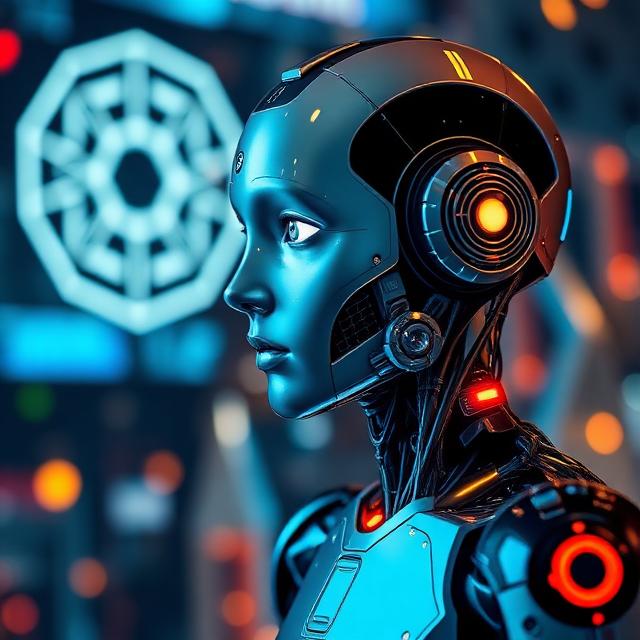
Artificial Intelligence (AI) in 2026 is no longer a futuristic concept—it is deeply embedded in daily routines, quietly shaping how people work, learn, shop, travel, and even take care of their health. From personalized assistants to intelligent infrastructure, AI has become an invisible layer of convenience and decision-making support across modern life.
1. AI in Daily Communication and Personal Assistants
One of the most noticeable changes is how AI-powered assistants have evolved. They are no longer simple voice-command tools but proactive digital companions.
In 2026, AI assistants can:
- Manage schedules by predicting conflicts before they happen
- Summarize emails and messages instantly
- Translate conversations in real time during calls or meetings
- Suggest responses based on tone and context
This has made communication faster, more efficient, and less overwhelming, especially for professionals handling large volumes of information.
2. Smarter Homes and Connected Living
Smart homes have become truly intelligent ecosystems. Instead of just responding to commands, AI systems now learn behavior patterns and adjust environments automatically.
For example:
- Lights and temperature adjust based on mood, time, and weather
- AI refrigerators track groceries and suggest meals
- Security systems recognize unusual activity and alert homeowners instantly
- Energy systems optimize usage to reduce electricity bills
The result is a home that feels more responsive and energy-efficient without constant manual control.
3. AI in Education and Learning
Education in 2026 is highly personalized thanks to AI-driven learning platforms. Students no longer follow a one-size-fits-all curriculum.
AI now enables:
- Personalized study plans based on learning speed and strengths
- Real-time tutoring systems that explain concepts differently if a student is struggling
- Automated grading and feedback for assignments
- Virtual classrooms that adapt content dynamically
This has made education more accessible and effective for learners across different backgrounds.
4. Healthcare Revolution Through AI
Healthcare has seen some of the most life-changing AI advancements. Doctors now rely heavily on AI tools for diagnosis, treatment planning, and patient monitoring.
Key improvements include:
- Early disease detection using predictive algorithms
- AI-assisted imaging for faster and more accurate scans
- Wearable devices that monitor health in real time
- Virtual health assistants offering 24/7 medical guidance
Patients benefit from faster diagnosis and more personalized treatment plans than ever before.
5. AI in Work and Productivity
Workplaces in 2026 are significantly more automated and data-driven. AI is not replacing humans entirely but enhancing productivity.
Common workplace AI uses include:
- Automating repetitive administrative tasks
- Generating reports, presentations, and insights
- Assisting in coding, design, and content creation
- Predicting business trends and customer behavior
This allows employees to focus more on creativity, strategy, and decision-making.
6. Transportation and Smart Mobility
Transportation systems have become highly efficient due to AI integration.
Examples include:
- Self-driving cars with improved safety systems
- AI-managed traffic signals reducing congestion
- Route optimization in ride-sharing and delivery services
- Predictive maintenance for public transport systems
Commuting is now faster, safer, and more environmentally friendly.
7. Entertainment and Digital Experiences
AI has transformed how people consume entertainment.
Streaming platforms now:
- Recommend content with near-perfect accuracy
- Generate personalized trailers and playlists
- Adapt game difficulty dynamically in video games
- Create AI-generated music and interactive storytelling experiences
Entertainment is now highly customized for individual preferences.
Conclusion
Artificial Intelligence in 2026 is not just a tool—it is an integral part of everyday life. It enhances convenience, improves decision-making, and automates routine tasks across nearly every sector. While challenges like privacy and ethical use remain important, AI’s role in shaping a smarter, more connected world is undeniable.
As technology continues to evolve, the line between human decisions and AI assistance will become even more seamless.
