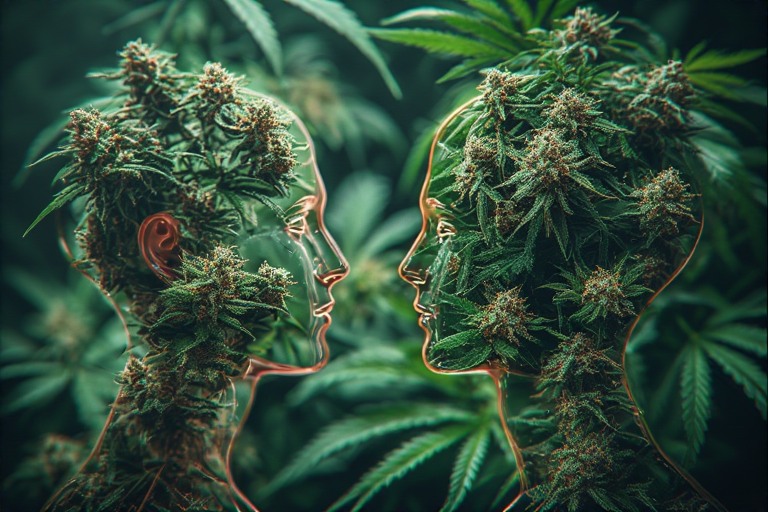
Cannabis is one of the most widely studied psychoactive plants in the world, used both for medicinal and recreational purposes. Its effects on the human body are primarily driven by compounds known as cannabinoids, which interact with a complex biological network called the endocannabinoid system.
From neuroscience to pharmacology, modern research continues to uncover how cannabis influences mood, perception, pain, and physiology.
The Endocannabinoid System: The Body’s Regulatory Network
At the center of cannabis science is the Endocannabinoid System (ECS). This system plays a key role in maintaining balance in the body, regulating functions such as:
- Mood and emotional response
- Pain sensation
- Appetite and digestion
- Sleep cycles
- Immune system activity
The ECS consists of:
- Endocannabinoids (naturally produced chemicals in the body)
- Receptors (CB1 and CB2 receptors found throughout the brain and body)
- Enzymes (which break down cannabinoids after use)
Cannabis compounds mimic or influence these natural endocannabinoids, which is why the plant can have such wide-ranging effects.
Key Compounds in Cannabis: THC and CBD
Cannabis contains over 100 cannabinoids, but two stand out for their strong effects on the human body:
1. THC (Tetrahydrocannabinol)
THC is the primary psychoactive compound in cannabis.
- Binds mainly to CB1 receptors in the brain
- Produces the “high” or euphoric feeling
- Alters perception, mood, and memory
- Can increase appetite (“munchies”)
While THC has therapeutic potential (such as pain relief and nausea reduction), it is also responsible for intoxication and cognitive impairment.
2. CBD (Cannabidiol)
CBD is non-psychoactive, meaning it does not produce a high.
- Interacts indirectly with ECS receptors
- May reduce anxiety and inflammation
- Studied for seizure disorders (such as epilepsy)
- Often used in wellness and medical formulations
CBD is often considered more suitable for therapeutic use due to its lower risk of intoxication.
How Cannabis Affects the Human Body
When cannabis is consumed (smoked, vaped, or ingested), cannabinoids enter the bloodstream and travel to the brain and other organs.
Neurological Effects
- Alters neurotransmitter release
- Affects memory formation and attention
- Changes perception of time and sensory input
Physical Effects
- Increased heart rate
- Relaxation or sedation (depending on dose and strain)
- Appetite stimulation
- Pain modulation
Psychological Effects
- Euphoria or relaxation
- Anxiety reduction in some users
- In some cases, anxiety or paranoia (especially with high THC doses)
The effects vary significantly depending on dosage, individual biology, tolerance, and cannabinoid composition.
Medicinal vs Recreational Use
Medicinal Cannabis
Medicinal use focuses on therapeutic benefits supported by clinical research and medical supervision. It is often used for:
- Chronic pain management
- Epilepsy (especially CBD-based treatments)
- Multiple sclerosis symptom relief
- Chemotherapy-induced nausea
- Sleep disorders in some cases
Medical cannabis products are typically standardized for consistent THC/CBD ratios.
Recreational Cannabis
Recreational use is primarily for psychoactive and relaxation effects.
- THC-dominant strains are more common
- Effects are centered on euphoria and altered perception
- Risk of overconsumption or cognitive impairment is higher
Unlike medical use, recreational consumption is usually not guided by clinical dosing or supervision.
Scientific Perspective and Ongoing Research
Research into cannabis is expanding rapidly. Scientists are particularly interested in:
- Long-term effects of THC exposure on the brain
- Therapeutic potential of CBD and minor cannabinoids
- Safe dosing strategies for medical applications
- Impact on mental health in vulnerable populations
Despite its widespread use, cannabis is still a complex substance with both potential benefits and risks depending on how it is used.
Conclusion
Cannabis interacts deeply with the human body through the endocannabinoid system, influencing both neurological and physical processes. Its main compounds, THC and CBD, produce very different effects—one primarily psychoactive and the other largely therapeutic.
From a scientific perspective, cannabis sits at the intersection of medicine, neuroscience, and public health. Understanding how it works helps separate fact from myth and supports more informed decisions about its use in both clinical and non-clinical contexts.
