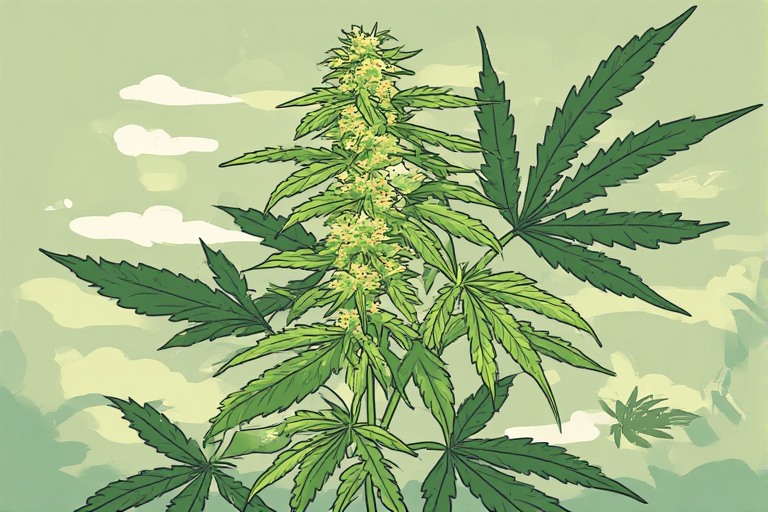
Cannabis is one of the oldest cultivated plants in human history and also one of the most debated in modern society. It has been used for thousands of years in medicine, textiles, spirituality, and recreation. Today, it sits at the intersection of science, healthcare, law, and culture—making it a topic that demands both clarity and balance.
This article explores cannabis in a comprehensive way: what it is, how it works, its potential benefits, risks, legal status, and its evolving role in society.
What Is Cannabis?
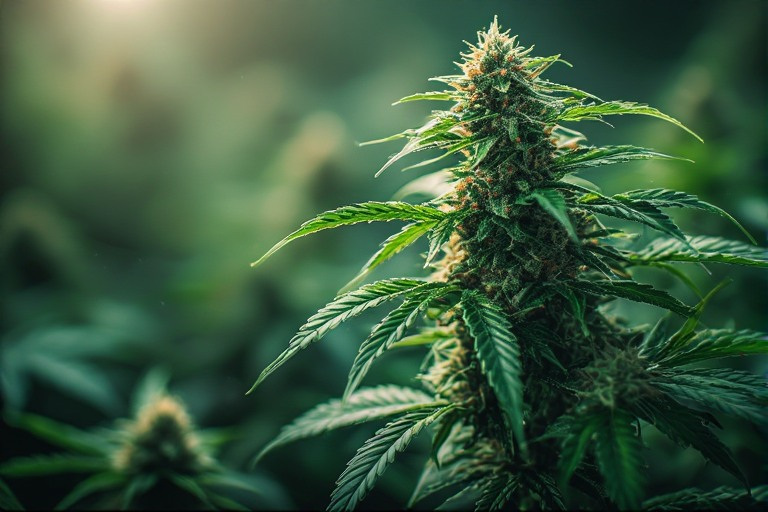
Cannabis is a flowering plant that contains hundreds of chemical compounds called cannabinoids. The two most well-known are:
- THC (Tetrahydrocannabinol) – the compound responsible for psychoactive effects or the “high”
- CBD (Cannabidiol) – a non-intoxicating compound often studied for potential therapeutic uses
Different strains of cannabis contain varying levels of these compounds, which leads to different effects on the body and mind.
How Cannabis Works in the Body
Cannabis interacts with the endocannabinoid system (ECS)—a biological system found in humans and many animals. The ECS helps regulate:
- Mood
- Sleep
- Appetite
- Memory
- Pain response
- Immune function
THC binds directly to cannabinoid receptors in the brain, creating psychoactive effects. CBD, on the other hand, does not strongly bind to these receptors but may influence them indirectly.
Potential Medical Uses of Cannabis
Research into cannabis has expanded significantly in recent years. In some regions, it is prescribed for specific medical conditions such as:
- Chronic pain
- Epilepsy (especially treatment-resistant forms)
- Multiple sclerosis symptoms
- Chemotherapy-induced nausea
- Anxiety and sleep disorders (in limited cases)
Some patients report relief, but scientific results are still mixed depending on the condition, dosage, and product type.
It is important to note that cannabis is not a universal cure, and medical supervision is essential when it is used therapeutically.
Recreational Use and Effects
Recreational cannabis use typically aims to produce relaxation, euphoria, or altered sensory perception. Effects can vary widely depending on:
- THC concentration
- Method of consumption (smoking, vaping, edibles)
- Individual tolerance
- Environment and mindset
Common short-term effects may include:
- Relaxation or euphoria
- Increased appetite
- Altered perception of time
- Impaired coordination or memory
However, not all effects are positive for every user.
Risks and Side Effects
Like any psychoactive substance, cannabis carries potential risks, especially with frequent or high-dose use:
- Short-term memory impairment
- Anxiety or paranoia in some users
- Reduced concentration and motor skills
- Risk of dependency in heavy users
- Possible impact on adolescent brain development
Long-term effects are still being studied, particularly with high-potency modern strains.
Legal Status Around the World
Cannabis laws vary significantly across countries and regions:
- Some countries allow medical use only
- Others permit recreational and medical use
- Many still classify it as an illegal substance
This legal diversity affects research, access, quality control, and public perception.
Cannabis in Modern Society
Cannabis is no longer just a counterculture symbol. It is now part of mainstream discussions involving:
- Pharmaceutical research
- Agriculture and commercial farming
- Wellness and alternative medicine industries
- Criminal justice reform debates
- Economic opportunities through legalization
As attitudes shift, many governments are reconsidering their policies, especially where legalization can reduce illegal trade and generate tax revenue.
The Future of Cannabis
The future of cannabis is likely to be shaped by science and regulation. Key trends include:
- More clinical trials and medical research
- Standardized dosing and product regulation
- Development of non-psychoactive therapeutic compounds
- Expansion of legal markets in more countries
However, challenges remain around safety, education, and responsible use.
Conclusion
Cannabis is a complex plant with deep historical roots and a rapidly evolving modern identity. It offers promising medical applications and economic opportunities, but it also carries real risks that must not be ignored.
Understanding cannabis requires a balanced view—one that recognizes both its potential and its limitations. As research continues, society’s relationship with cannabis will likely keep changing, moving toward more informed and regulated use.
