Cannabis Health: Understanding the Benefits, Risks, and Wellness Potential


Cannabis has become one of the most discussed wellness and medical topics in recent years. As research continues to grow, more people are exploring how cannabis may support pain management, mental wellness, sleep improvement, and overall quality of life.
While cannabis was once heavily stigmatized, modern healthcare conversations now focus on understanding both its therapeutic potential and its risks. Responsible use, proper medical guidance, and awareness of local laws are essential when considering cannabis for health purposes.
What Is Cannabis?
Cannabis is a plant that contains natural compounds called cannabinoids. The two most well-known cannabinoids are:
- THC (Tetrahydrocannabinol) — the psychoactive compound that creates a “high”
- CBD (Cannabidiol) — a non-intoxicating compound often associated with relaxation and wellness benefits
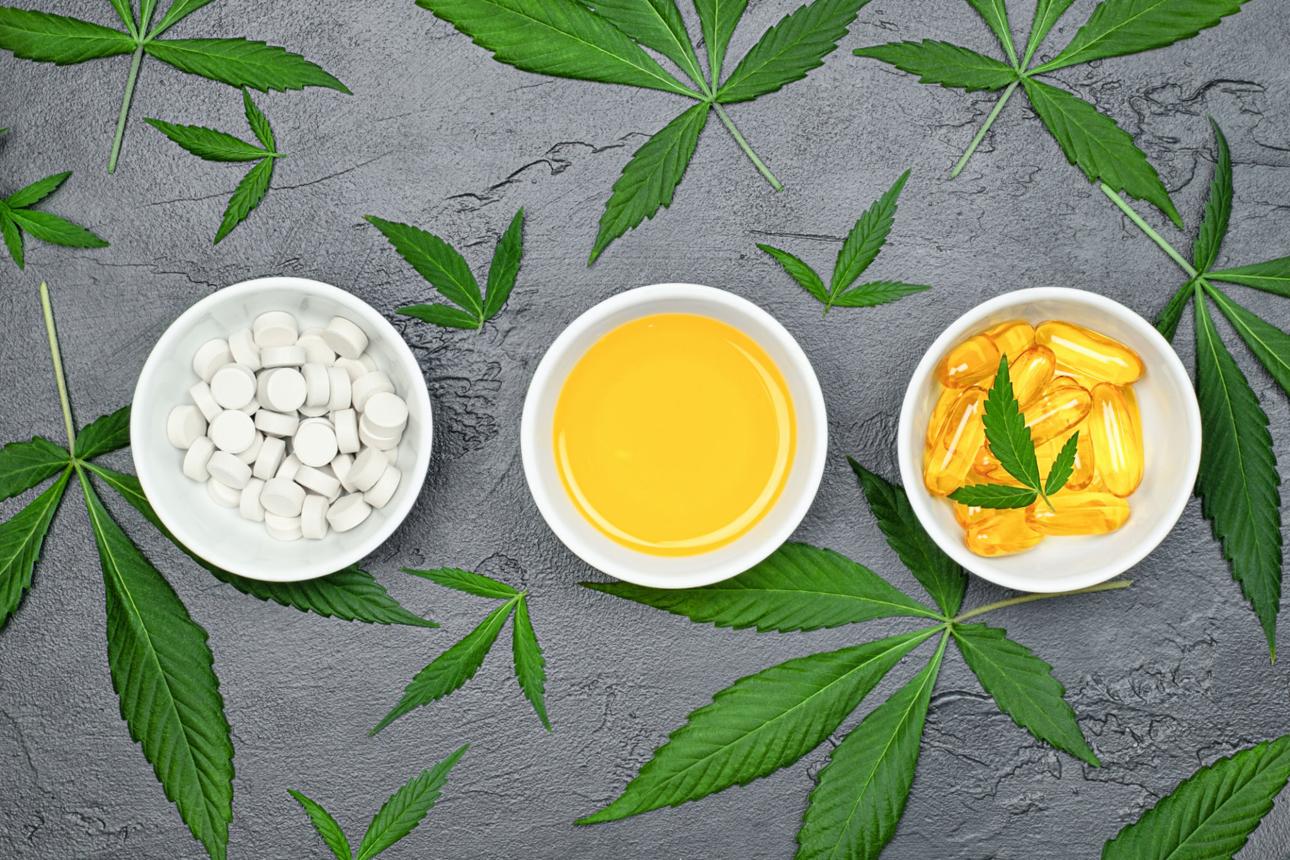
Cannabis products may come in several forms, including:
- Oils and tinctures
- Capsules
- Edibles
- Creams and topical products
- Medical cannabis flowers
Potential Health Benefits of Cannabis


Research into cannabis and health is still evolving, but several potential benefits have been widely discussed.
1. Pain Management
Medical cannabis is sometimes used to help manage:
- Chronic pain
- Arthritis discomfort
- Nerve pain
- Muscle spasms
Some individuals report improved comfort and mobility with properly monitored use.
2. Stress and Anxiety Support
CBD-based products are often explored for their calming effects. Some users say cannabis helps them relax and reduce daily stress.
However, effects can vary greatly depending on:
- Dosage
- THC levels
- Individual sensitivity
High-THC products may worsen anxiety in some people.
3. Sleep Improvement


Certain cannabis products may help support:
- Faster sleep onset
- Better relaxation before bed
- Reduced nighttime discomfort
CBD and balanced cannabinoid products are commonly preferred for wellness-focused sleep routines.
4. Appetite and Nausea Relief
Cannabis has been used in some medical settings to help individuals dealing with:
- Chemotherapy-related nausea
- Appetite loss
- Chronic illness-related weight loss
Medical supervision is important for these uses.
Risks and Side Effects of Cannabis
Although cannabis may offer benefits, it is not risk-free.
Common Side Effects
- Drowsiness
- Dry mouth
- Dizziness
- Reduced concentration
- Increased heart rate
Possible Long-Term Concerns
- Dependency in some users
- Memory and cognitive effects
- Mental health complications in vulnerable individuals
Young people and pregnant individuals should be especially cautious.
CBD vs THC


| CBD | THC |
|---|---|
| Non-intoxicating | Psychoactive |
| Commonly used for relaxation | Produces a “high” |
| Widely used in wellness products | Often regulated more strictly |
| May support stress relief | May affect mood and perception |
Understanding the difference helps users choose products more responsibly.
Tips for Safe Cannabis Use
Start with Low Dosages
Beginners should start slowly and monitor effects carefully.
Consult Healthcare Professionals
Medical guidance is important, especially for individuals with health conditions or medications.
Choose Reputable Products
Use products that provide:
- Lab testing
- Ingredient transparency
- Clear dosage information
Know Local Laws
Cannabis laws vary significantly by country and region.
Cannabis in Modern Wellness


The wellness industry has embraced cannabis-inspired products including:
- CBD skincare
- Herbal relaxation products
- Wellness supplements
- Recovery balms
- Spa treatments
As scientific understanding improves, cannabis may continue to play a growing role in alternative wellness approaches.
Conclusion
Cannabis health remains a rapidly evolving field that combines medical research, wellness trends, and personal health choices. While cannabis and CBD products may offer potential benefits for pain, stress, sleep, and relaxation, responsible use and professional guidance are essential.
Understanding both the advantages and risks can help individuals make informed decisions about cannabis wellness safely and responsibly.
