

Introduction
Cannabis is one of the most discussed and controversial plants in the modern world. Once primarily associated with recreational use, cannabis has become a significant topic in healthcare, agriculture, business, and public policy. As countries and regions continue to reconsider their laws and regulations, public interest in cannabis has grown rapidly.
The cannabis industry has expanded beyond traditional consumption methods, introducing medical treatments, wellness products, scientific research, and innovative agricultural practices. Understanding cannabis requires looking beyond stereotypes and examining the plant from scientific, medical, economic, and social perspectives.
This article explores what cannabis is, how it works, its historical significance, potential benefits, risks, legal status, and the future of the cannabis industry.
What Is Cannabis?
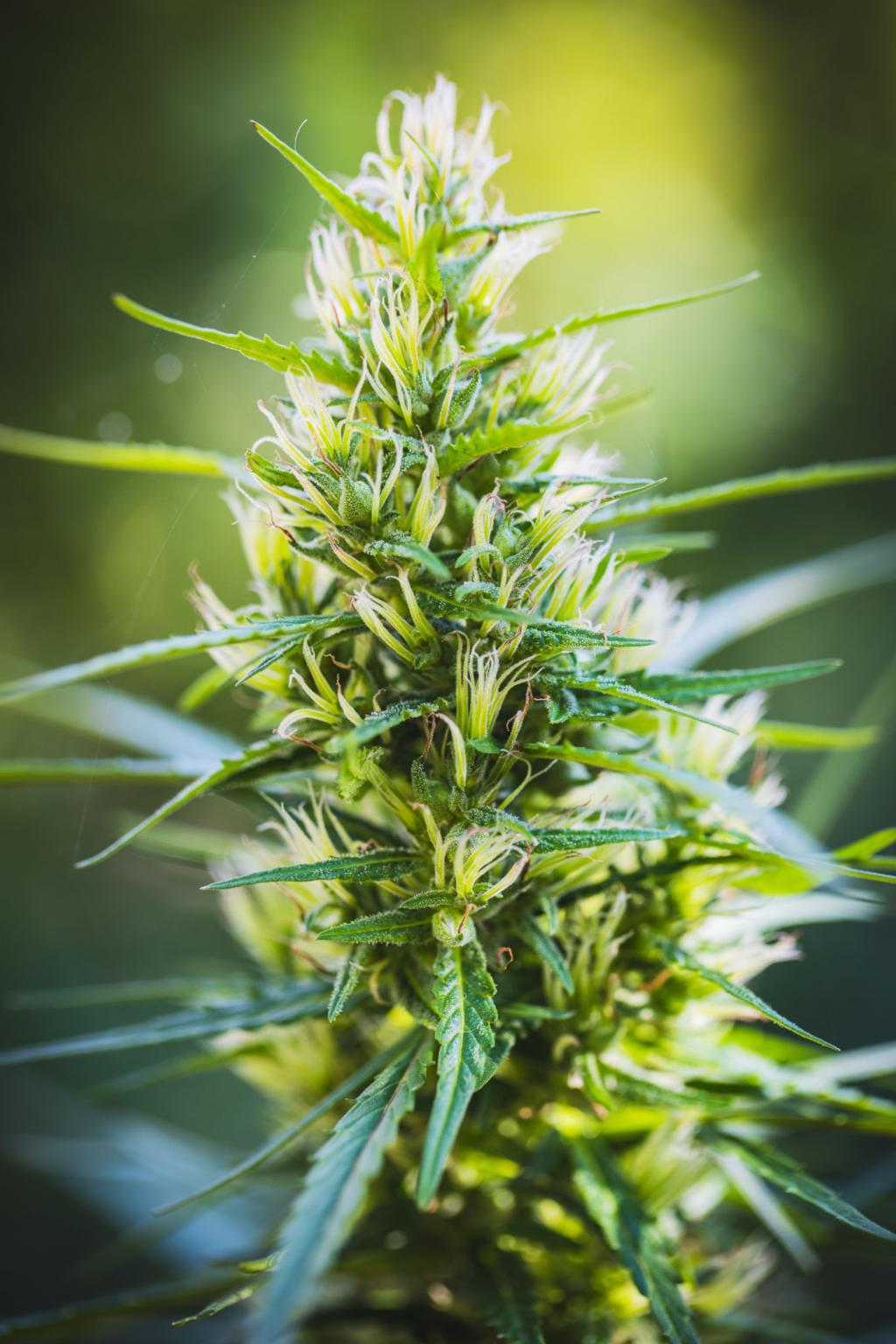
Cannabis refers to a group of flowering plants belonging to the Cannabaceae family. The plant contains hundreds of naturally occurring chemical compounds, including cannabinoids, terpenes, and flavonoids.
The most well-known cannabinoids are:
- THC (Tetrahydrocannabinol): The primary psychoactive compound responsible for producing a “high.”
- CBD (Cannabidiol): A non-intoxicating cannabinoid often associated with therapeutic and wellness applications.
Cannabis plants are generally categorized into three major varieties:
Cannabis Sativa
Cannabis sativa plants are typically taller and have narrow leaves. They are often associated with energizing and uplifting effects, although individual experiences may vary.
Cannabis Indica
Cannabis indica plants tend to be shorter and bushier. They are commonly linked to relaxing effects and are often preferred by users seeking calmness or stress relief.
Cannabis Ruderalis
This variety is less common but is valued for its ability to flower automatically based on age rather than light cycles. It is frequently used in breeding programs.
The History of Cannabis
Cannabis has been used by humans for thousands of years. Historical evidence suggests that the plant was cultivated in ancient civilizations for medicine, textiles, rope production, and religious practices.
Ancient China
Some of the earliest records of cannabis use come from ancient China, where it was utilized for medicinal purposes and fiber production.
Ancient India
In India, cannabis has deep cultural and historical roots. Traditional preparations were often used during religious ceremonies and festivals.
Middle East and Africa
Cannabis spread through trade routes and became part of various medicinal and cultural traditions across the Middle East and Africa.
Europe and the Americas
European societies historically cultivated hemp—a variety of cannabis with low THC levels—for rope, paper, and textiles. Cannabis later reached the Americas and eventually became a subject of legal restrictions during the twentieth century.
Understanding Cannabinoids
The cannabis plant contains more than one hundred cannabinoids. These compounds interact with the human body’s endocannabinoid system (ECS).
What Is the Endocannabinoid System?
The ECS is a complex network of receptors and signaling molecules involved in regulating:
- Mood
- Sleep
- Appetite
- Pain perception
- Immune function
- Memory
Cannabinoids can influence these functions by interacting with ECS receptors.
THC
THC binds strongly to cannabinoid receptors in the brain, producing psychoactive effects such as:
- Euphoria
- Relaxation
- Altered perception
- Increased appetite
CBD
CBD interacts differently with the body’s systems and does not typically produce intoxication. Research continues to explore its potential therapeutic applications.
Medical Applications of Cannabis
One of the most significant developments in recent years has been the growing acceptance of medical cannabis.
Chronic Pain Management
Chronic pain affects millions of people worldwide. Some patients report symptom relief through cannabis-based treatments, particularly when conventional therapies provide limited benefits.
Epilepsy Treatment
Certain cannabis-derived medications have been approved in some countries for treating specific forms of epilepsy. These medications are often based on purified CBD.
Cancer-Related Symptoms
Patients undergoing chemotherapy may experience:
- Nausea
- Vomiting
- Loss of appetite
Cannabis-based treatments have been investigated for their ability to help manage these symptoms.
Multiple Sclerosis
Some individuals with multiple sclerosis use cannabis products to address muscle spasticity and discomfort.
Anxiety and Sleep Disorders
Research continues to explore how cannabis compounds may influence anxiety, stress, and sleep quality. However, outcomes vary significantly among individuals.
Recreational Cannabis Use
Recreational cannabis use has become increasingly accepted in several countries and regions.
Why People Use Recreational Cannabis
Common reasons include:
- Relaxation
- Social enjoyment
- Stress reduction
- Curiosity
- Creative experiences
Methods of Consumption
Cannabis can be consumed in multiple ways:
Smoking
Traditional dried cannabis flowers are smoked using joints, pipes, or other devices.
Vaporizing
Vaporizers heat cannabis without combustion, reducing exposure to certain byproducts produced by smoking.
Edibles
Cannabis-infused foods and beverages offer an alternative method of consumption.
Oils and Tinctures
Liquid extracts provide controlled dosing and are often used for medical and wellness purposes.
Capsules
Cannabis capsules offer a familiar and convenient format for some users.
Potential Benefits of Cannabis
The growing interest in cannabis is partly driven by its perceived benefits.
Pain Relief
Many users report reductions in chronic pain symptoms.
Stress Reduction
Some individuals use cannabis to relax after stressful situations.
Improved Sleep
Certain cannabis products may help users fall asleep or improve sleep quality.
Appetite Stimulation
Cannabis is known for increasing appetite, which may benefit patients experiencing appetite loss.
Nausea Management
Cannabis-based medications have shown promise in reducing nausea in specific medical settings.
Risks and Side Effects
Although cannabis may offer benefits, it also carries risks that should not be ignored.
Cognitive Impairment
THC can temporarily affect:
- Memory
- Attention
- Decision-making
- Coordination
Anxiety and Paranoia
Some individuals experience anxiety, panic, or paranoia, particularly with high-THC products.
Dependence
While cannabis is generally considered less addictive than some substances, dependence can occur.
Respiratory Concerns
Smoking cannabis may irritate the respiratory system and expose users to harmful combustion byproducts.
Driving Impairment
Cannabis can impair reaction times and judgment, increasing the risk of accidents.
Cannabis and Mental Health
The relationship between cannabis and mental health remains a complex area of research.
Potential Positive Effects
Some users report:
- Reduced stress
- Improved mood
- Relaxation
Potential Negative Effects
Heavy or frequent use, especially among vulnerable individuals, may be associated with:
- Anxiety disorders
- Depression
- Psychotic symptoms
Researchers continue to study these relationships to better understand long-term effects.
Industrial Hemp and Its Importance
Not all cannabis is intended for recreational or medical use.
What Is Hemp?
Hemp is a variety of cannabis that contains very low levels of THC.
Industrial Uses of Hemp
Hemp can be used to create:
- Textiles
- Paper
- Rope
- Building materials
- Bioplastics
- Animal bedding
Environmental Benefits
Hemp is often praised for:
- Rapid growth
- Low pesticide requirements
- Carbon absorption potential
- Soil improvement characteristics
As sustainability becomes a global priority, hemp may play an increasingly important role in green industries.
The Economic Impact of Cannabis
The cannabis industry has evolved into a major economic sector.
Job Creation
Legal cannabis markets support jobs in:
- Cultivation
- Manufacturing
- Retail
- Marketing
- Research
- Technology
Tax Revenue
Governments in legal markets collect substantial tax revenues from cannabis sales.
Investment Opportunities
The growth of cannabis-related businesses has attracted investors worldwide.
Industries benefiting from cannabis expansion include:
- Agriculture
- Biotechnology
- Pharmaceuticals
- Packaging
- Software solutions
Cannabis Legalization Around the World
Cannabis laws vary significantly from country to country.
Fully Legal Markets
Some jurisdictions permit adult recreational use under regulated frameworks.
Medical-Only Systems
Many countries allow cannabis solely for approved medical purposes.
Restricted Markets
Other regions continue to prohibit cannabis possession and use.
Regulatory Challenges
Governments must address issues such as:
- Product safety
- Quality control
- Public health
- Taxation
- Advertising restrictions
- Youth protection
Balancing these priorities remains a major challenge for policymakers.
Scientific Research and Future Discoveries
Cannabis research has accelerated dramatically over the past decade.
Scientists are investigating:
- New cannabinoids
- Medical applications
- Delivery systems
- Long-term safety
- Personalized treatments
Advances in genetics and biotechnology may enable researchers to develop cannabis strains tailored to specific therapeutic goals.
The Future of the Cannabis Industry
Several trends are likely to shape the future of cannabis.
Increased Medical Research
As regulations evolve, researchers may gain greater access to cannabis for clinical studies.
Better Product Standardization
Consumers increasingly demand consistency, transparency, and accurate labeling.
Global Market Expansion
More countries are evaluating medical cannabis programs and regulatory reforms.
Innovation in Consumption Methods
Future products may include:
- Precision-dose formulations
- Advanced inhalation technologies
- Functional beverages
- Personalized cannabinoid blends
Sustainable Cultivation
Environmental concerns are encouraging producers to adopt energy-efficient and environmentally responsible growing methods.
Public Education and Responsible Use
As cannabis becomes more widely available, public education remains essential.
Consumers should understand:
- Product potency
- Safe consumption practices
- Potential side effects
- Legal regulations
- Responsible storage
Accurate information helps individuals make informed decisions and reduces the risks associated with misuse.
Conclusion
Cannabis is a multifaceted plant with a long history and a rapidly evolving future. From ancient medicine and industrial hemp production to modern therapeutic research and emerging legal markets, cannabis continues to influence numerous aspects of society. While it offers potential medical benefits and economic opportunities, it also presents challenges related to public health, regulation, and responsible use.
As scientific understanding grows and regulations continue to evolve, cannabis will likely remain a significant topic in healthcare, business, agriculture, and public policy. Whether viewed as a medical tool, agricultural resource, consumer product, or subject of scientific inquiry, cannabis represents one of the most important and transformative plant industries of the twenty-first century.
Tags: cannabis, marijuana, THC, CBD, medical cannabis, hemp, cannabis industry, cannabis legalization, cannabinoids, cannabis research, wellness, agriculture, hemp products, recreational cannabis, cannabis health effects
