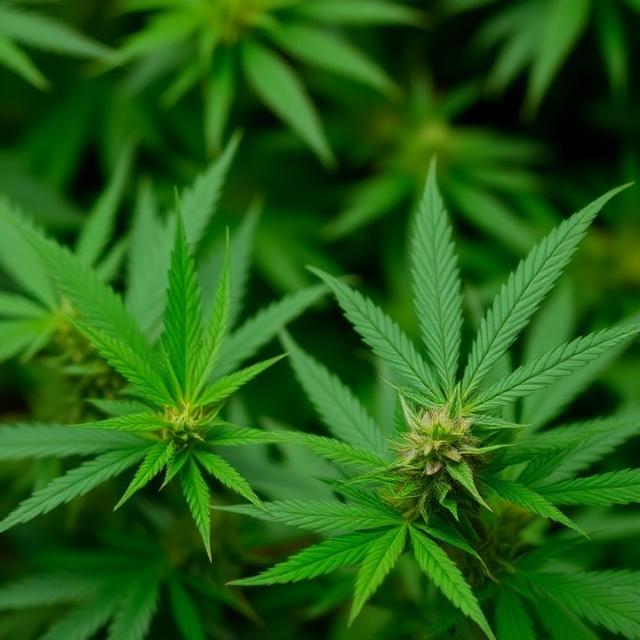
Cannabis is used in two major ways today—medical and recreational. While the plant may be the same, the purpose, regulation, dosage, and user experience can be very different. Understanding these differences helps people make informed and responsible decisions.
🌿 What Is Medical Cannabis?


7
Medical cannabis refers to cannabis used to treat specific health conditions under a doctor’s supervision.
It is commonly prescribed for conditions such as:
- Chronic pain
- Epilepsy
- Multiple sclerosis
- Cancer-related symptoms (nausea, appetite loss)
- Anxiety and PTSD (in some cases)
Medical cannabis often comes in controlled forms like oils, capsules, sprays, or low-THC products. The goal is symptom relief, not intoxication.
Key Features:
- Requires medical recommendation or prescription (in many regions)
- Standardized dosage
- Higher CBD or balanced THC-CBD ratio
- Strict quality control
🎉 What Is Recreational Cannabis?


7
Recreational cannabis is used for personal enjoyment rather than medical treatment.
It is commonly consumed to:
- Relax or reduce stress
- Enhance mood
- Experience euphoria (“high”)
- Social or leisure activities
Unlike medical use, recreational cannabis is usually chosen based on strain preference, THC strength, and desired effects.
Key Features:
- No medical prescription needed (where legal)
- Higher THC levels are common
- Focus on psychoactive effects
- Sold in licensed dispensaries (in legal regions)
⚖️ Key Differences Between Medical and Recreational Cannabis


6
| Feature | Medical Cannabis | Recreational Cannabis |
|---|---|---|
| Purpose | Treat medical conditions | Personal enjoyment |
| THC Levels | Usually low or controlled | Often higher |
| CBD Content | Often high or balanced | Varies widely |
| Access | Prescription required | Age-restricted purchase |
| Regulation | Strict pharmaceutical standards | Consumer product regulation |
| Usage Guidance | Doctor supervised | Self-directed |
🧠 Effects on the Body and Mind


7
Both types of cannabis interact with the endocannabinoid system, which influences mood, sleep, pain, and appetite.
However, the effects can differ:
- Medical cannabis: aims for targeted relief with minimal psychoactive effects
- Recreational cannabis: often produces stronger mental and sensory effects
Common effects include:
- Relaxation
- Altered perception of time
- Increased appetite
- Reduced pain or stress
Possible side effects:
- Dry mouth
- Drowsiness
- Anxiety (in high doses)
- Impaired coordination
🏥 Legal and Safety Considerations


6
Laws vary widely by country and region:
- In many places, medical cannabis is legal under prescription programs
- Recreational cannabis may be legal, decriminalized, or still illegal depending on location
Safety concerns include:
- Product quality and contamination risk (unregulated markets)
- Overconsumption of high-THC products
- Driving or operating machinery under influence
🌱 Conclusion
Medical and recreational cannabis come from the same plant but serve very different purposes. Medical cannabis focuses on healing and symptom management, while recreational cannabis is used for relaxation and enjoyment.
As legalization expands globally, understanding these differences is essential for responsible and informed use.
